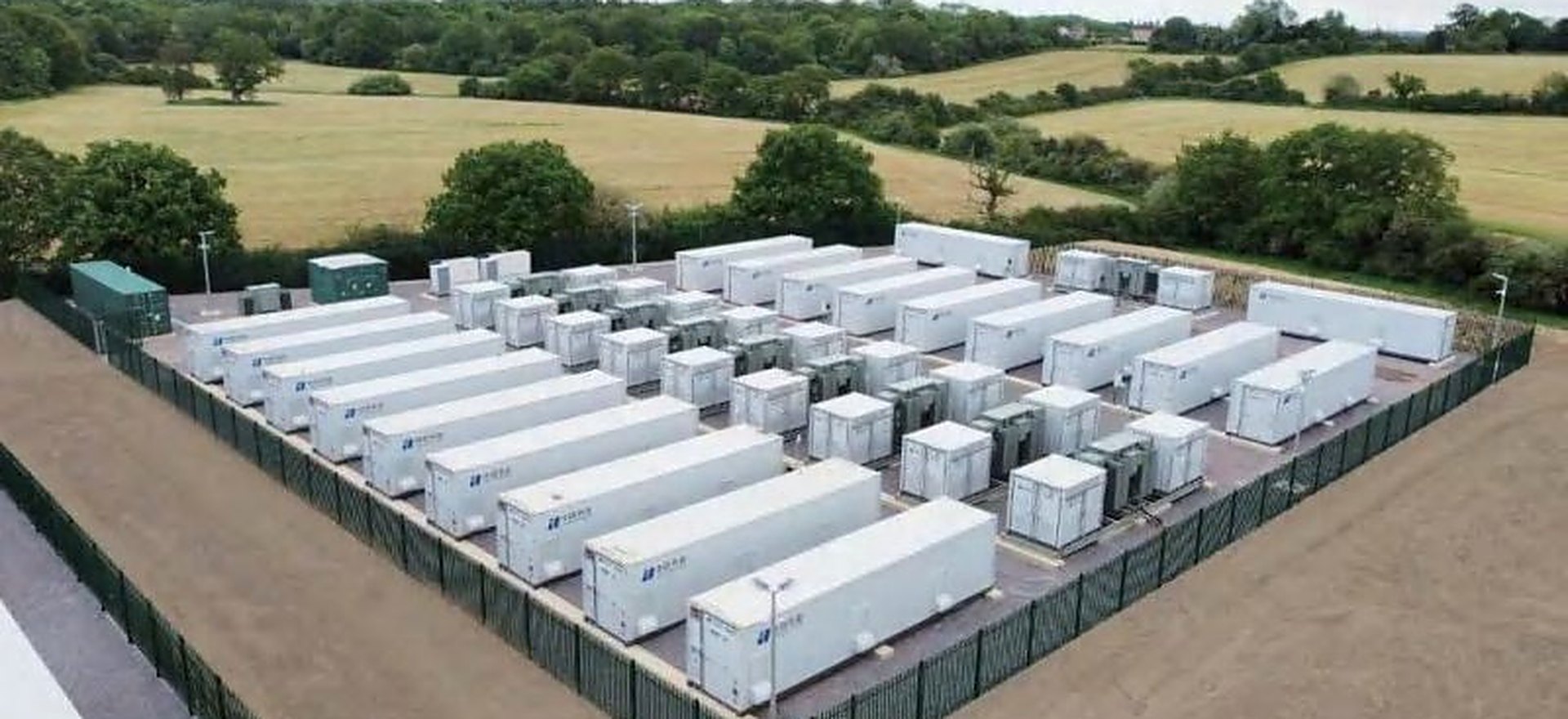
One product family covering station level, cabin level, cluster level and PACK level — detection that locates the failing cell, suppression that reaches only the module that needs it, and cooling that keeps the fire from coming back.
Small storage or large storage, the requirement is the same: catch the failure early, act on the exact location, and keep the surrounding modules out of it. Our range covers every step of that chain.
Whole-site fire alarm control, gas concentration monitoring and ventilation interlock for the storage power station.
The battery compartment or storage cabinet as a volume: detection across the cabin, total-flooding or local application discharge.
One battery cluster is the actuation unit: the solenoid valve on top of the cluster opens and feeds every module below it.
Positioning detection and discharge inside the pack itself — the shortest possible distance between the fire and the agent.
Micro-detectors are placed wherever the pack geometry allows, so the architecture adapts to the most complex internal layouts.
Most adaptableActive, full-coverage detection across the pack face, with higher detection density and the most sustained cooling of the three.
Sustained coolingMulti-dimensional detection brought to one point per pack — the lowest construction and retrofit difficulty for existing cabinets.
Easiest to retrofitWhichever architecture is chosen, the design goal is the same: accurate positioning detection, accurate cooling and fire suppression, early warning and early disposal — so that a single failing module does not become a station-level loss.
Electrochemical energy storage fires have occurred repeatedly at home and abroad, and more than thirty incidents were recorded worldwide in a single recent year. Four mechanisms account for most of them.
While charging, rising voltage drives the positive and negative electrodes into extremely strong redox states, leaving the active material inherently unstable.
High energy density means a short circuit raises the temperature sharply, the electrolyte turns to organic solvent vapour, and ignition becomes easy.
External impact damages the insulators and isolation plates between electrodes. The damage may not ignite at once, but the internal short circuit that follows charging will.
Large temperature differences between cells and modules draw in dust and degrade grounding insulation, quietly building up a fire hazard over time.
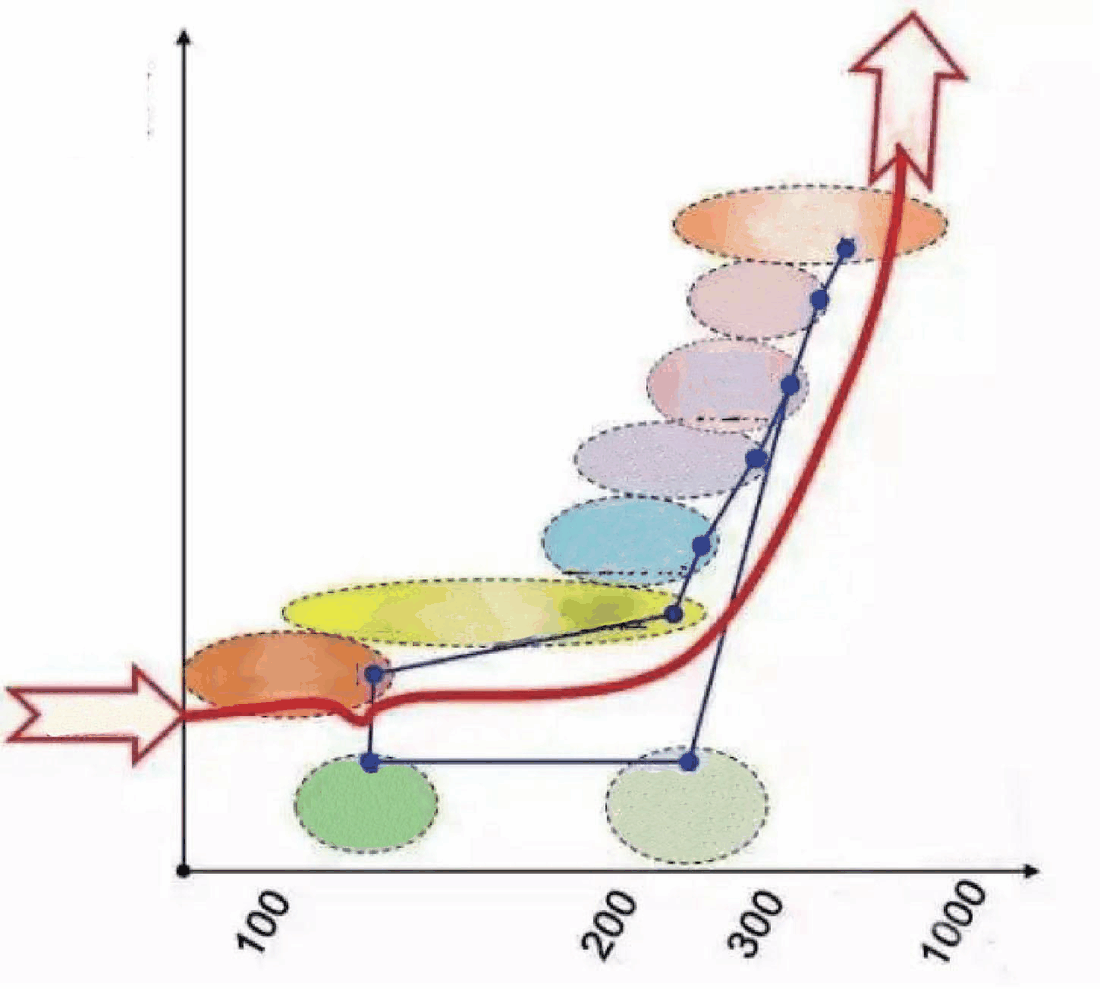
Heat release rate climbs along a well-characterised curve. Knowing where the battery sits on that curve is what decides whether the suppression system is early, on time, or late.
Internal temperature climbs to 90–100 °C and the SEI passivation layer on the negative electrode breaks down, accelerating the rise. At about 135 °C the diaphragm melts and contracts; the positive and negative electrodes touch, short-circuiting and triggering continuous heat release.
Around 250–350 °C, lithium precipitated from the negative C₆Li domain reacts with the organic solvent in the electrolyte, volatilising flammable hydrocarbons such as methane and ethane and releasing a large amount of heat.
The cathode material and electrolyte continue a violent oxidative decomposition, producing high temperature and large volumes of toxic gas, ending in severe combustion or an explosion of the cell.
An energy storage fire protection package is not one product. It is five systems that have to hand the event to each other without a gap.
Positioning detection, accurate cooling and fire suppression, early warning and early disposal — as far as possible preventing the disaster and reducing the loss.
Efficient, clean, targeted fire suppression with continuous cooling to prevent reignition. Containment at the earliest stage greatly reduces property damage.
Ultra-thin and compact: net intake depth of just 6 cm and exhaust depth of 12 cm, so the fans take up almost no space inside the warehouse.
Alarms in advance while the leaked gas concentration is still below the lower explosive limit, preventing the fire and explosion that would otherwise follow.
Efficient cooling that absorbs large amounts of heat and toxic gas, blocks thermal radiation and stops the spread of fire — which also helps personnel evacuate.
Industrial and commercial storage cabinets are smaller, more varied and often unattended. These three configurations cover the extinguishing unit, the control system and the passive layer.
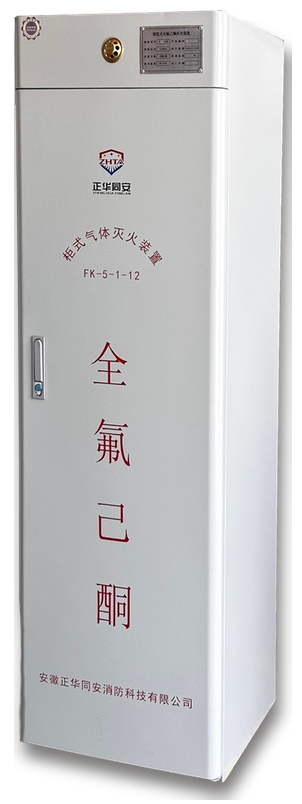
A free-standing cabinet that carries its own agent, release logic and nozzle. FK-5-1-12 is discharged as a total flood in under ten seconds, cools the flame as it vaporises and leaves no residue, so the protected switchgear can be put back into service.
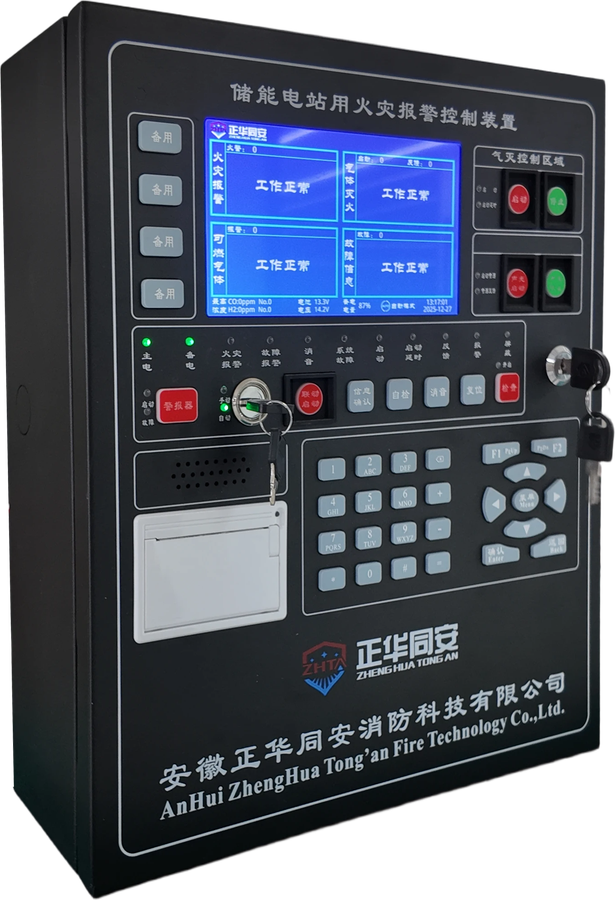
The JB-QBL-ZH1105 is the data and communications centre of the cabin: it processes every detector signal, trips the agent release, drives the alarm and prints each event as it happens. A wall-mounted panel that turns scattered detectors into one supervised system.
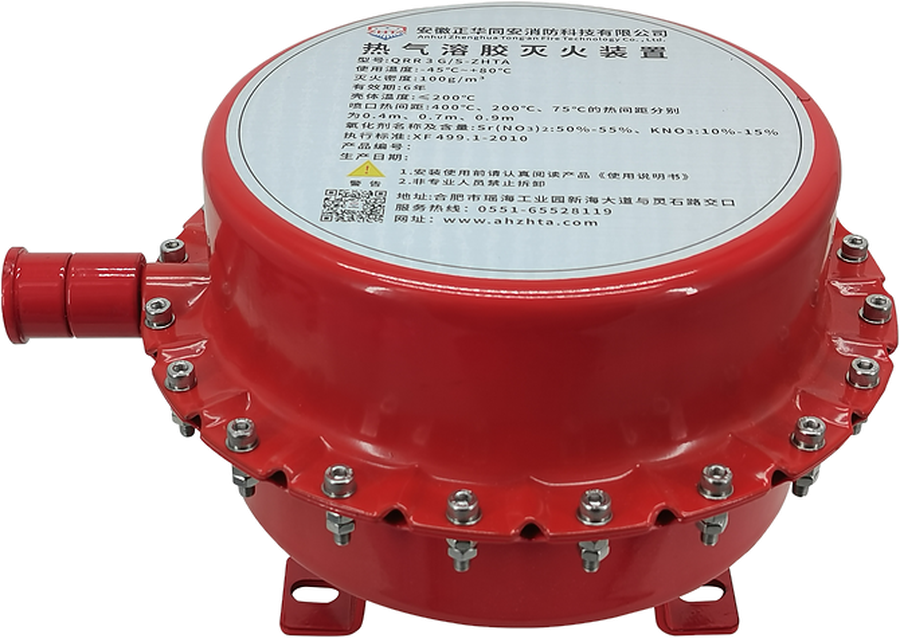
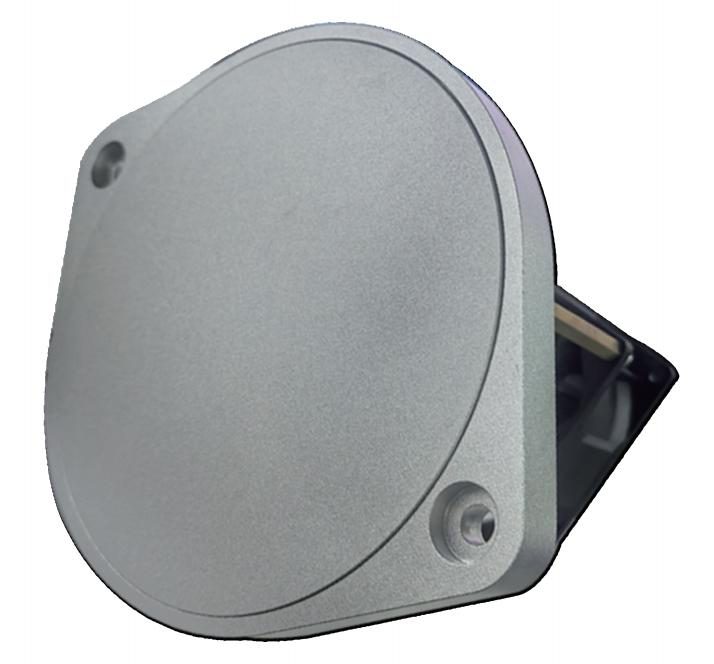
An S-type condensed aerosol generator built as one round wall-mounted unit: the initiator, the aerosol-forming compound, the cooling path and the feedback element all sit inside a Ø235 mm body that holds nothing under pressure. No cylinder, no manifold, no nozzle grid — and nothing to weigh or recharge between services.
The detectors, panels, valves and suppression units described above are all designed and manufactured in Hefei. Key parameters are listed below; full datasheets are available on request.
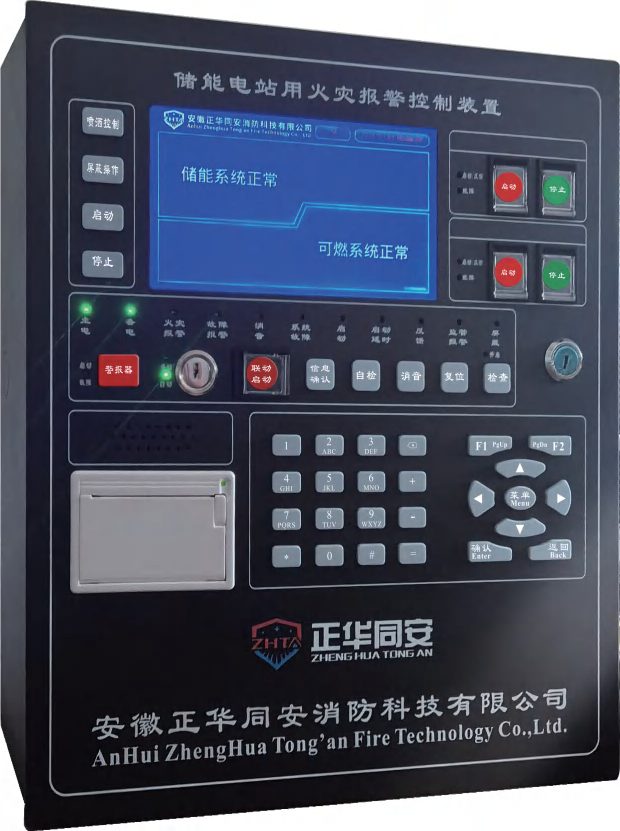
Self-developed central processing unit for the early warning and suppression system. Connects to every detector type, analyses front-end data and executes preset actions against preset logic. Built-in printer for alarms and operating information.
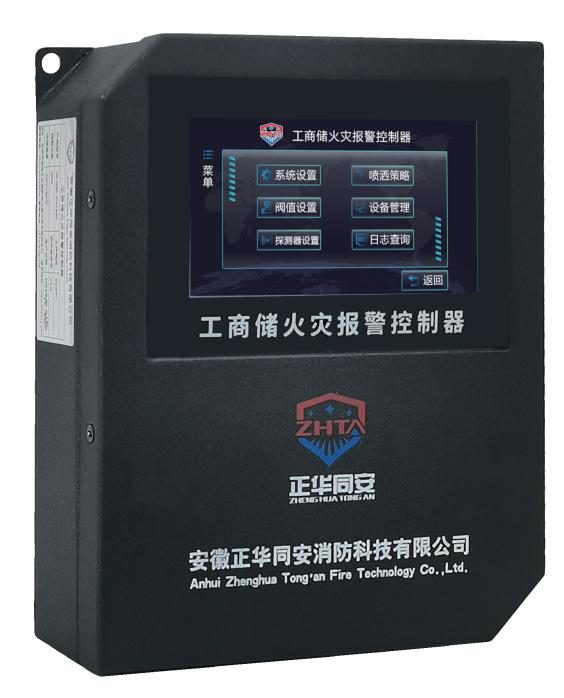
Small-shape, easy to install, equipped with a lithium iron phosphate battery so the equipment keeps running without main power. Combines early detection, alarm and fire extinguishing start in one device.
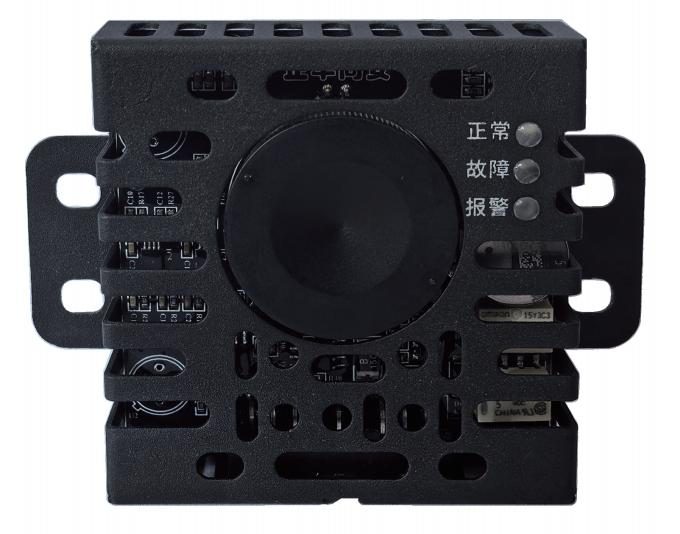
Thin, small and low-power. Collected data from smoke, temperature, CO, H₂ and VOC sensors is worked through a composite algorithm that investigates and controls the different stages of battery thermal runaway.
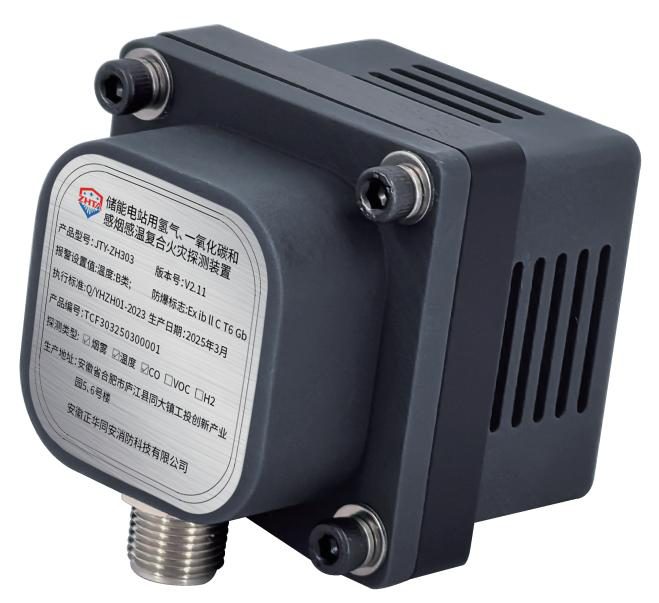
Placed on the outside of the battery pack and removable for easy inspection. Supports the CAN communication protocol, with configurable alarm thresholds per detector type and a composite alarm strategy for reliability.
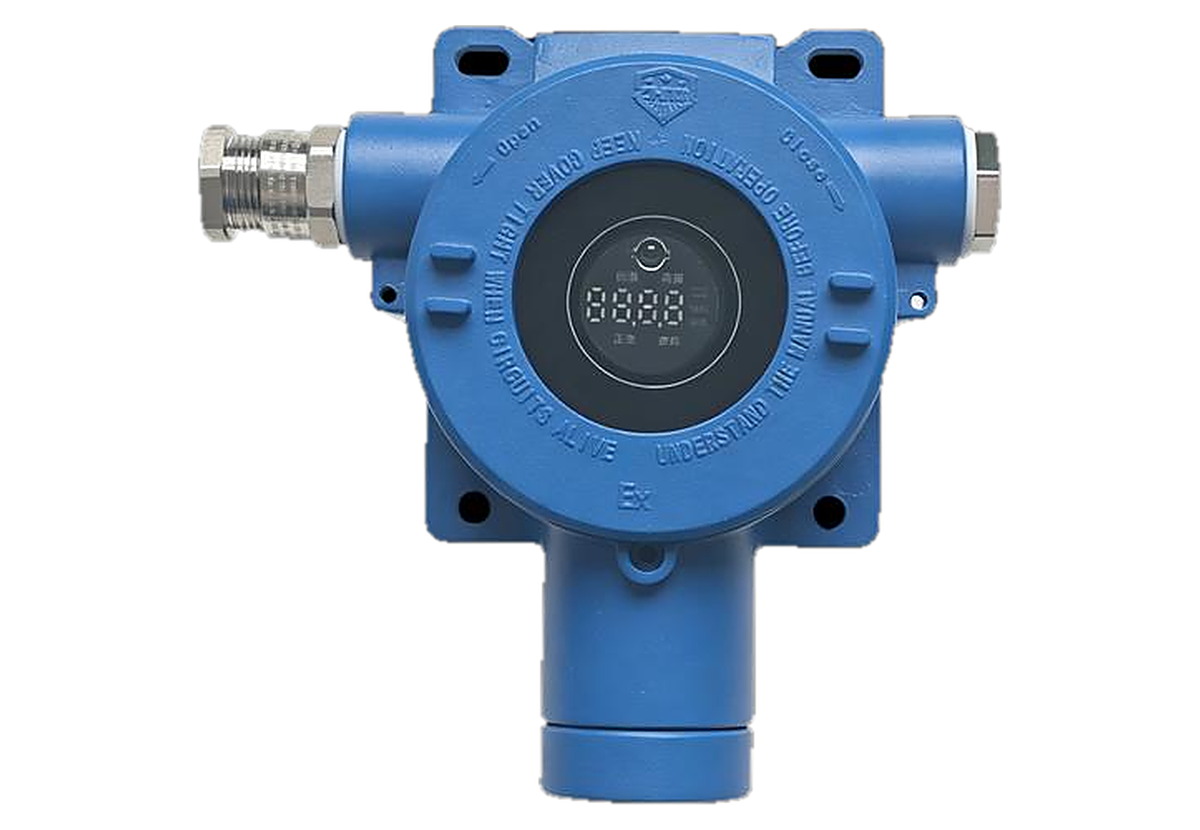
Single-chip technology with a highly sensitive anti-poisoning gas sensor. Constant alarm sensitivity, the ability to identify sensor faults, and high-concentration over-limit protection for demanding industrial field use.
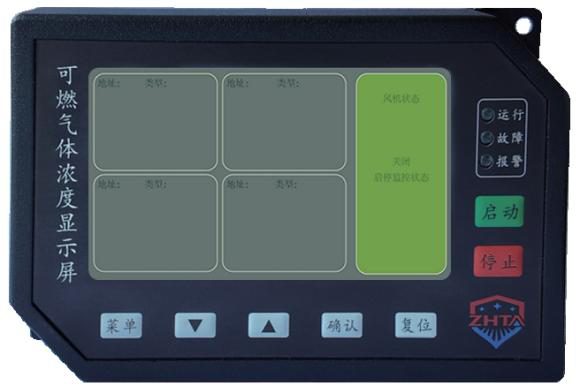
Multi-detector intelligent responsive display with global fault monitoring, so the fault status of many devices can be watched centrally and visually. Integrated fan start/stop control, automatic or manual.
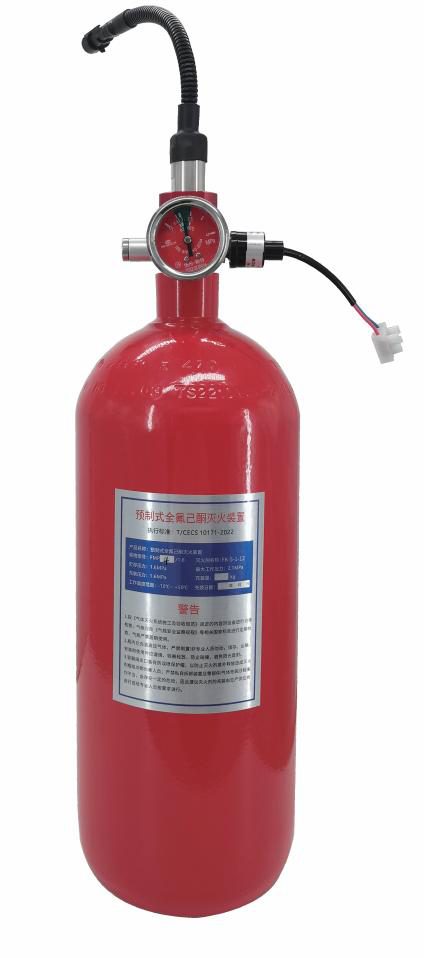
Thermoelectric dual-control type, intelligent, small in size and fast to act. Agent loss is small and installation is simple, making it the standard unit for cabinets and battery packs.
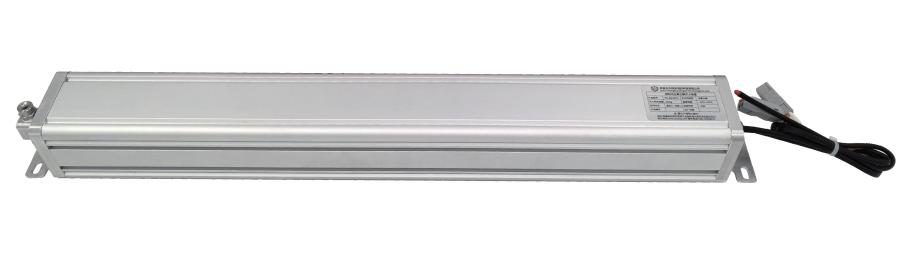
Agent and drive gas share one container, fixed in place or in a cabinet and arranged directly in the protection zone. Suited to storage containers, battery packs, distribution and transformer rooms, data centres and archives.
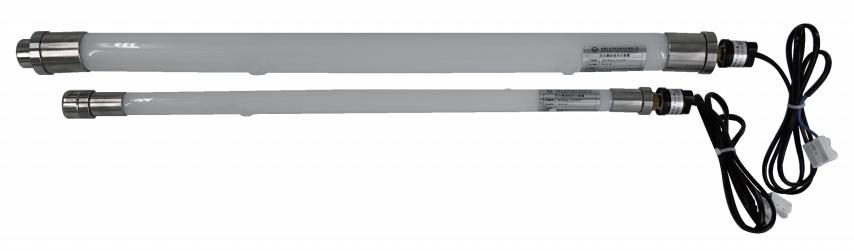
Point-to-point fire extinguishing with great flexibility. The tube reaches into small and complex flammable spaces, is temperature self-starting and needs no power supply or electromagnetic control — more reliable around electrical equipment.
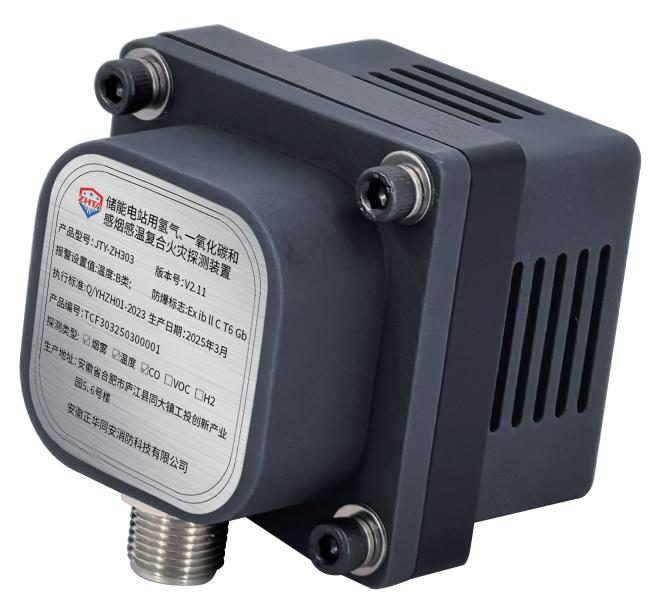
Small size and flexible configuration for many scenarios, with no pressure storage. Non-conductive, non-toxic, non-corrosive and ozone safe. Total flooding, maintenance-free, with a service life of ten years.
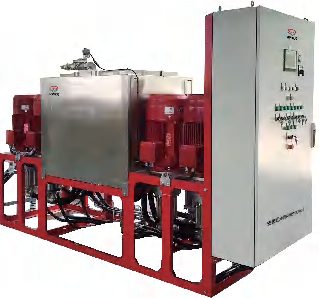
High pressure nine-plunger pump at 14 MPa with long-distance transmission advantage and a single pump flow up to 115 L/min. Three-dimensional pump installation makes full use of the available height.
When abnormal pressure builds inside the cabinet or battery pack, the detector reaches threshold, the control panel opens the valve and fan, and the toxic gas and smoke are discharged until concentration falls below the set level.
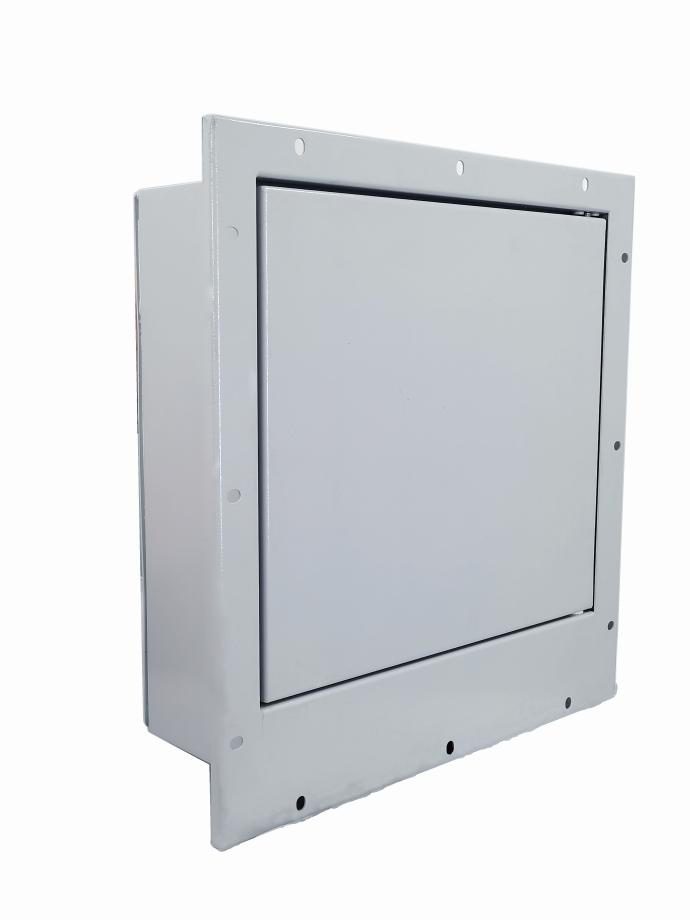
Intake net depth of only 6 cm and exhaust net depth of 12 cm. Linked to the gas detector and alarm host for automatic control, each control device operating separately. Explosion-proof, and seals out dust and rain.
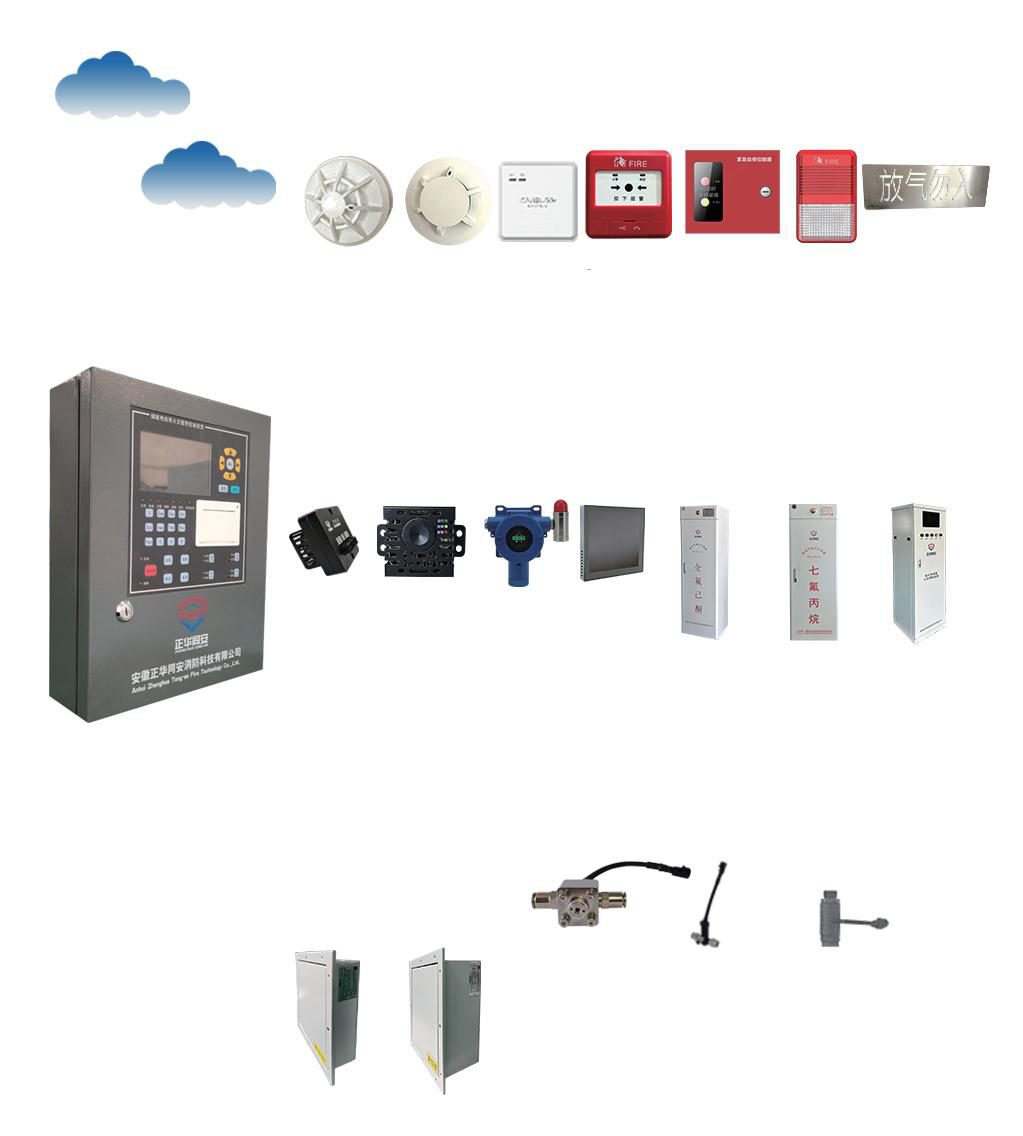
The station main engine sits above the BMS and ties the whole chain together: fire alarm class, combustible detection class and the exhaust system, with intake fan, exhaust fan, nozzles, piercing valves and cluster level electric control valves below it.
A pre-engineered cabinet charged with FK-5-1-12, mounted in the electrical compartment as the cabinet level of the container solution. It floods the enclosure in under ten seconds, leaves no residue and does not conduct, so the room stays in service.
One hundred and four products hold EU CE certification, and 195 test reports have been issued by the National Quality Inspection Center. Tell us the container or cabinet layout and we will select the detection density, agent quantity and nozzle positions for it.
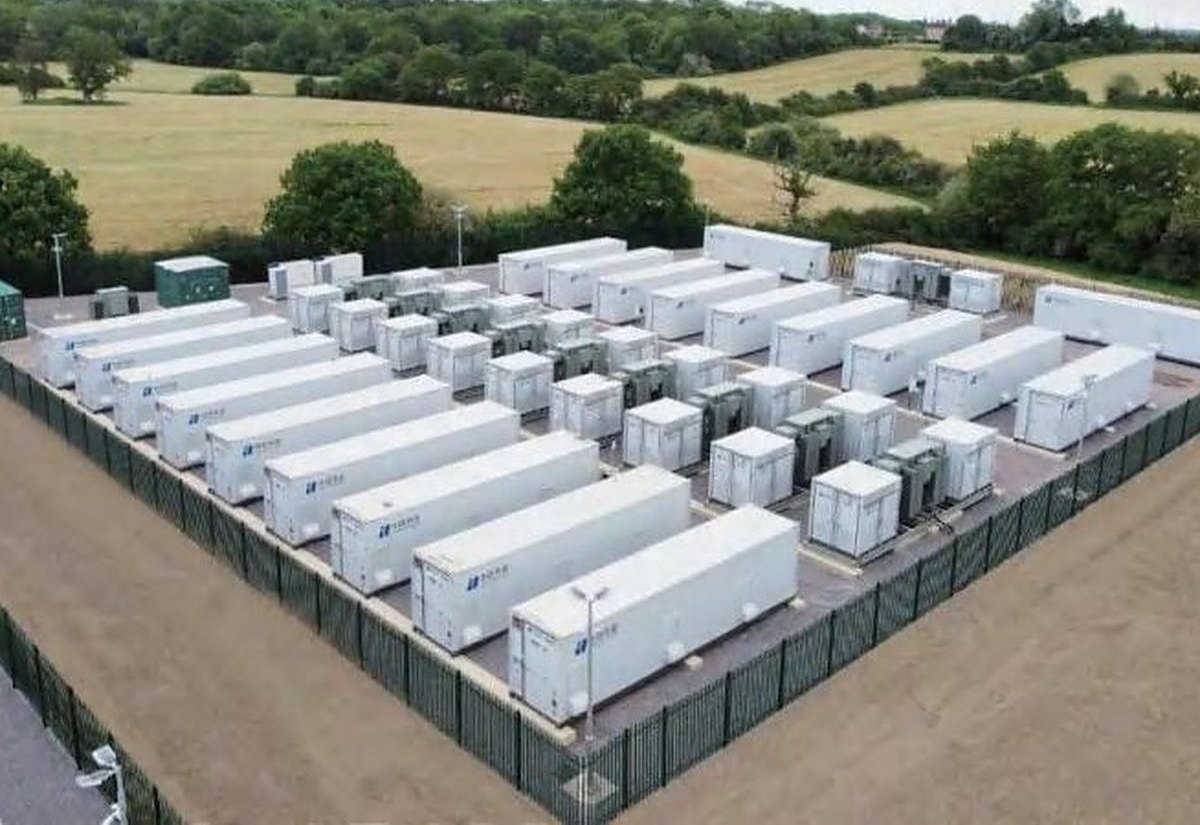
From 5 MWh liquid-cooled containers to 400 MWh shared storage plants — a selection of the projects our equipment protects.
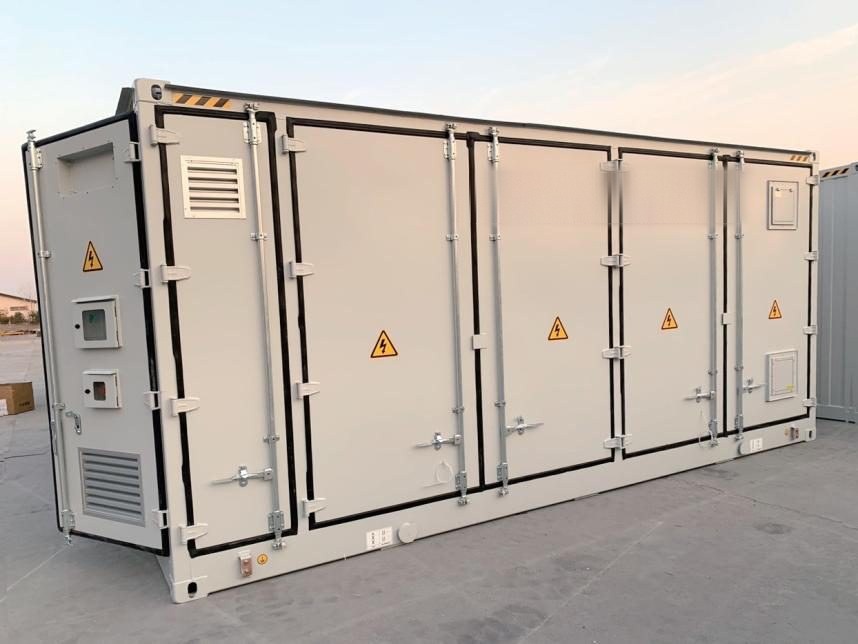
Liquid-cooled containerised storage with PACK level detection and spray.
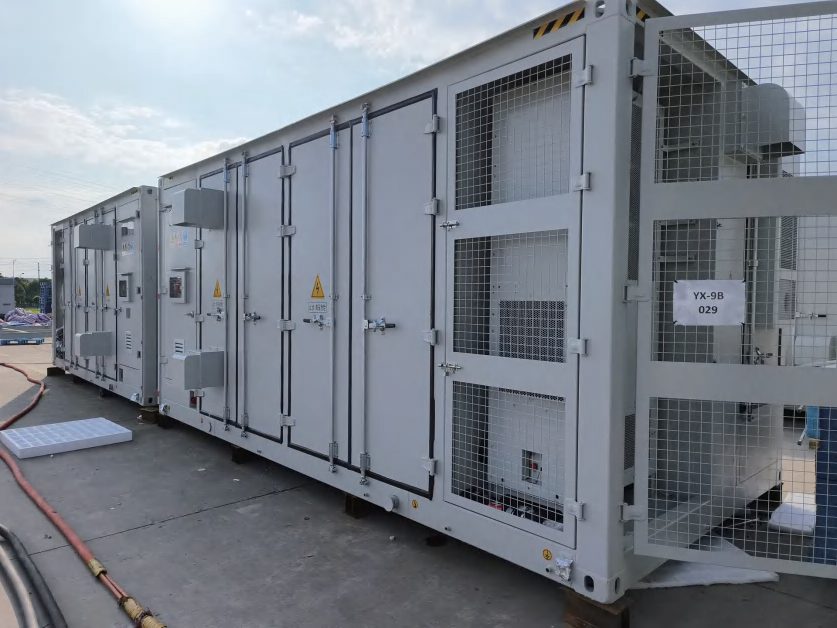
Utility-scale storage at a pumped irrigation power station.
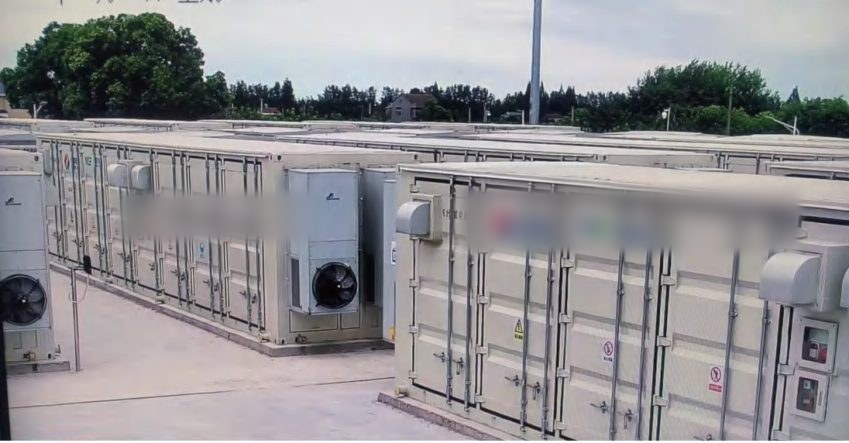
Shared energy storage plant protected at cluster and PACK level.
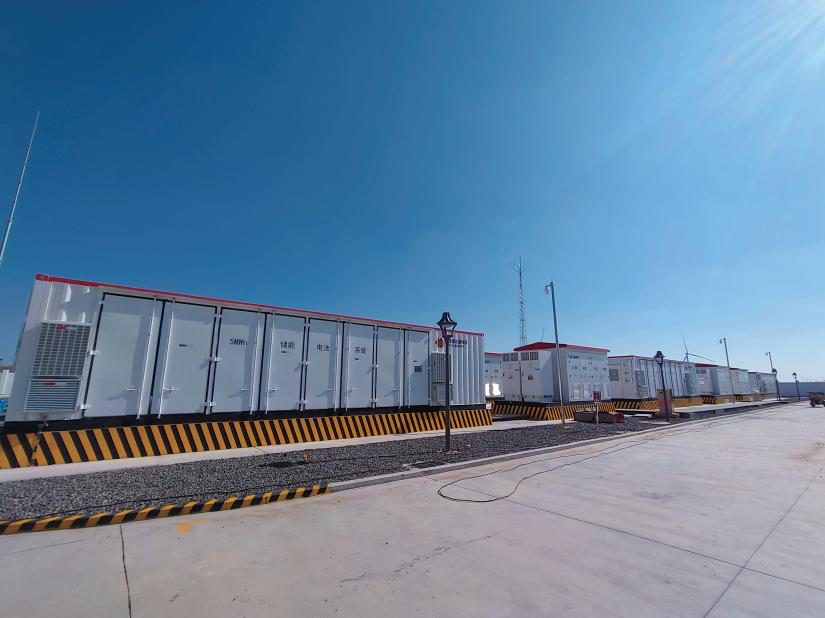
Container array with full station level alarm and ventilation interlock.
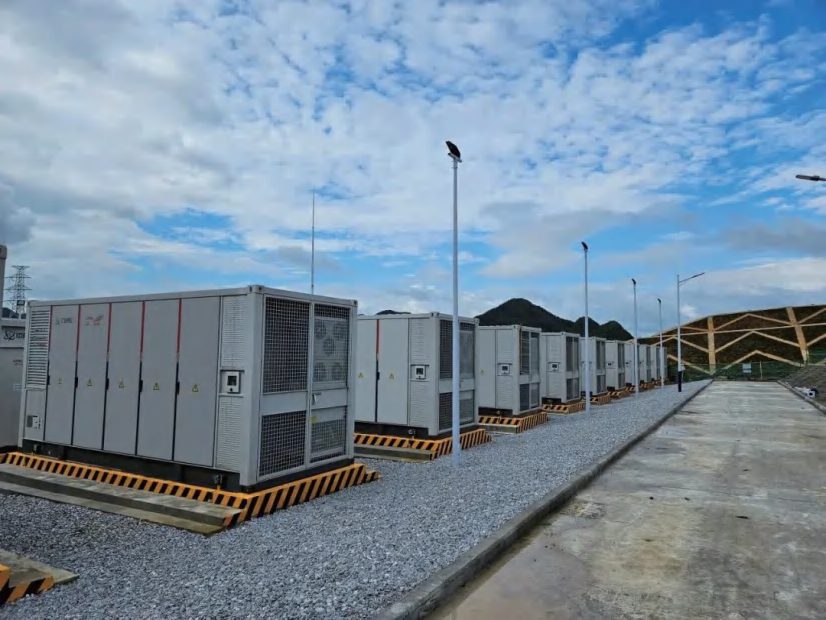
Jinta County energy storage power station, 180 MW / 360 MWh in phase II.
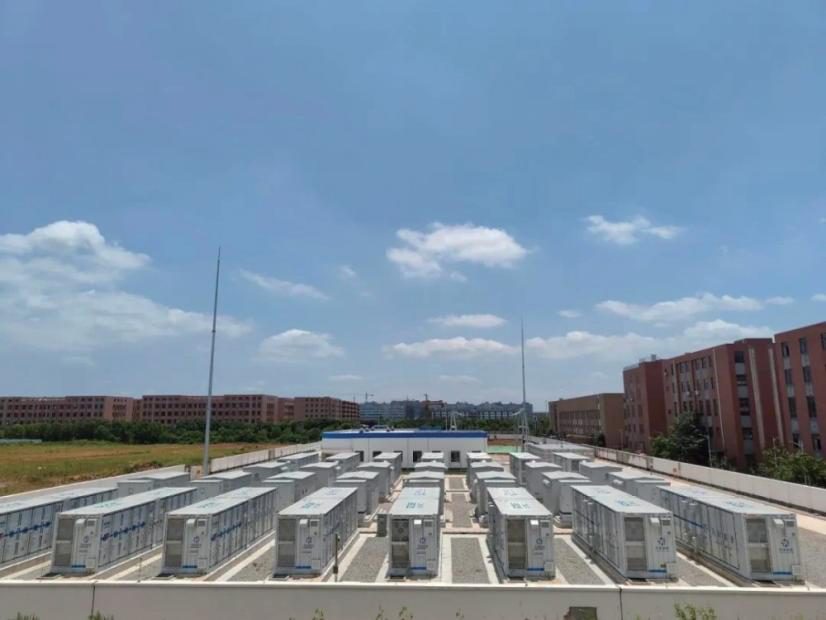
125,000 kW energy storage paired with 500,000 kW of wind and solar.
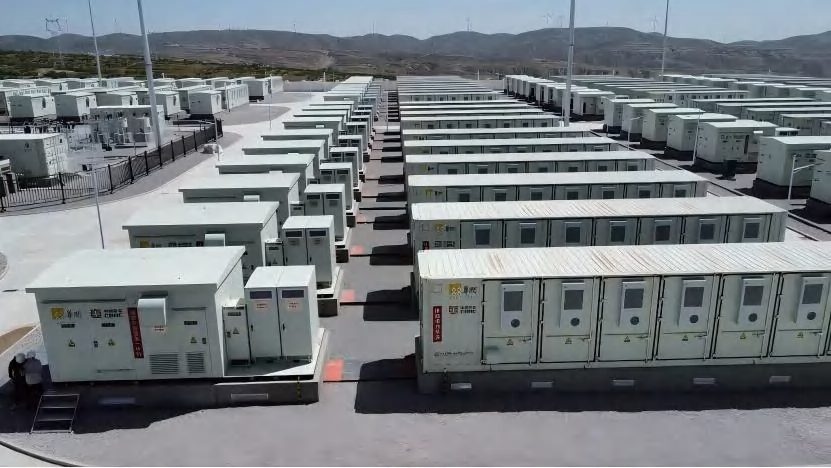
Battery container row with integrated fire mitigation equipment.
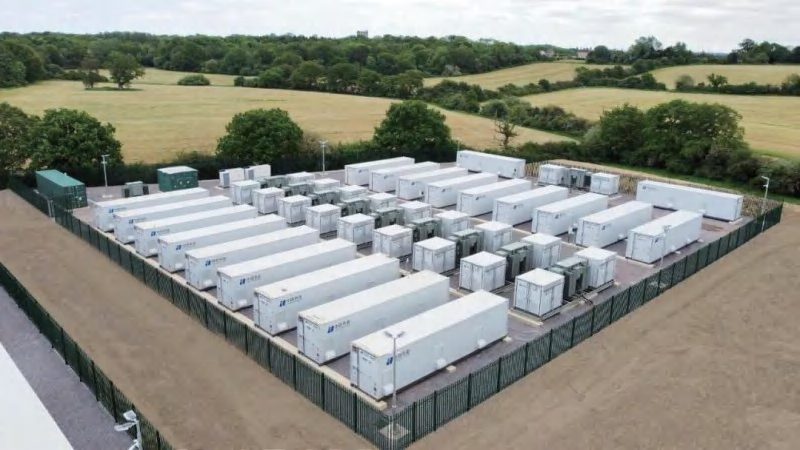
Liquid-cooled container with cabin level detection and gas extinguishing.
Both were supplied as complete cabinet units — detection, control and suppression inside one enclosure — export-packed and shipped with commissioning documentation.
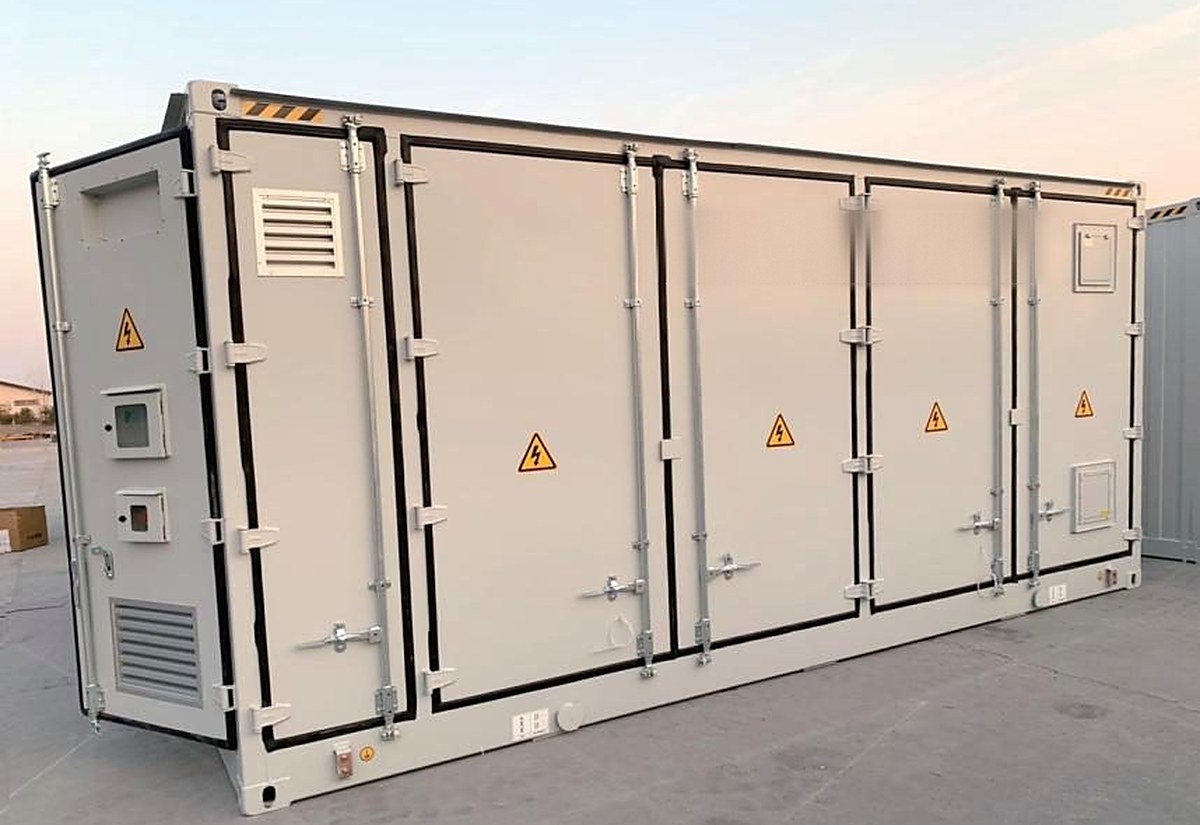
Our Indonesian reference: 261 kWh liquid-cooled cabinets at a battery materials plant, each protected at PACK level.
215 kWh liquid-cooled cabinets for a commercial and industrial rollout in Singapore, shipped as self-contained units.
Projects are spread across the country, and products have been exported to Southeast Asia, the Middle East, Africa and other regions. Ask for the reference list relevant to your battery chemistry and system size.
We will come back with the detection architecture, the suppression level we recommend and the equipment list behind it.

Open WeChat, tap + and pick Scan — the code opens a chat with our export desk. Not on WeChat? Message us on WhatsApp instead.
On a phone you cannot scan your own screen — long-press the code above, save it to your album, then open WeChat → + → Scan → Album.