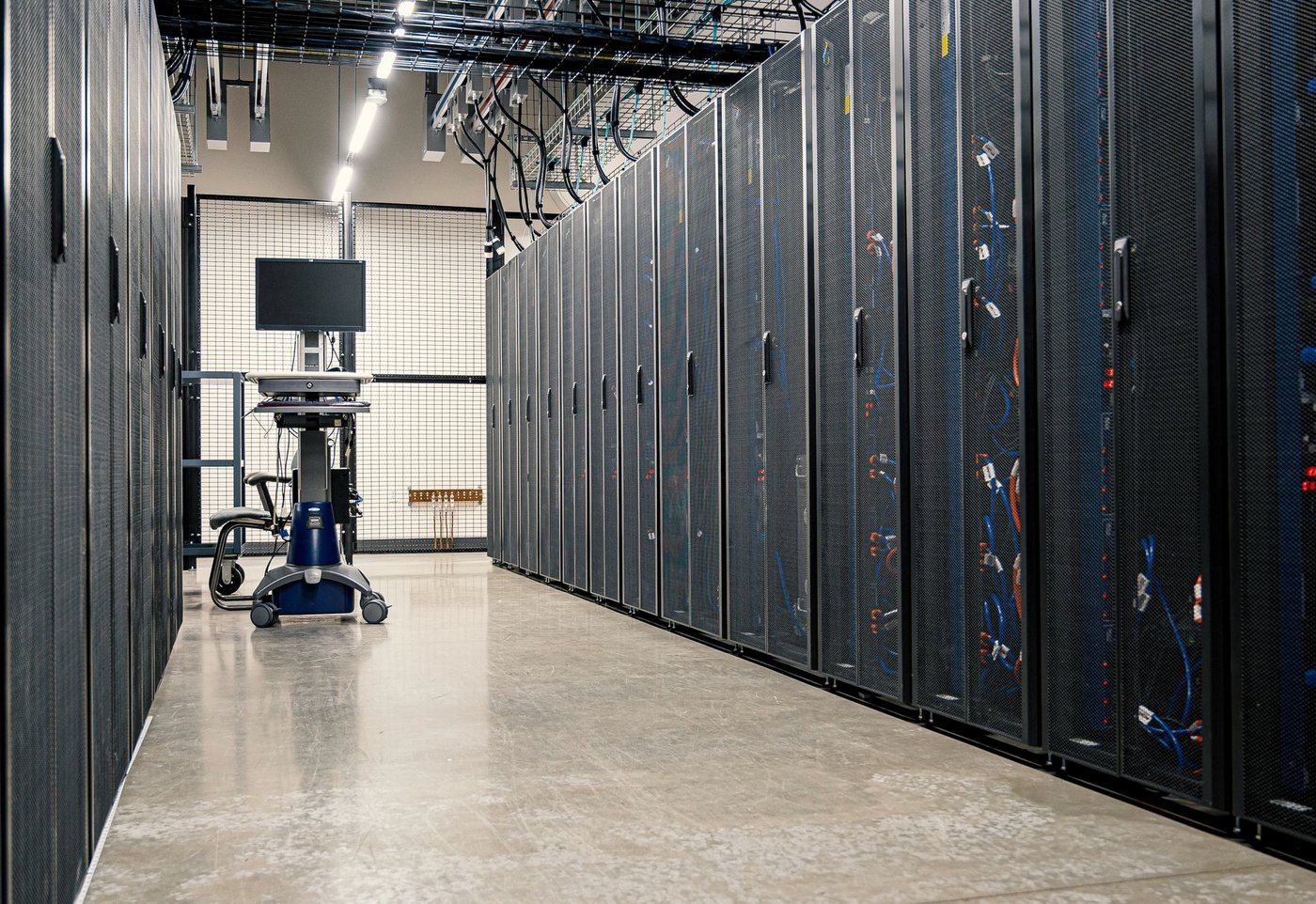
360° service, direct contact, shared safety — one team from the first drawing to the last cylinder test, and a document library you can download without asking.
The same three commitments we make on the Chinese site, with the paperwork to back them: we build what we sell, we engineer the system to the space, and we keep it serviceable after handover.
We develop, design and produce the extinguishing equipment ourselves, and we run the fire technical consultancy, the gas-system testing and maintenance and the after-sales service in the same organisation. A technical question reaches the people who build the product.
Design, production, installation and after-sales form one network, so the agent quantity, nozzle layout and release logic are calculated for your protected volume rather than taken from a catalogue table — and the delivered system matches the approved drawing.
Cylinder inspection qualification, a cylinder filling licence and a hazardous chemicals licence sit behind the service side, with documented dismantling, testing, filling and handling procedures and a named person responsible for each step.
Energy storage container, IG-541 and computer-room data centres, containerised halls, power systems and wind turbines — design basis, detection thresholds, release logic, BOM and calculations, as editable Word files you can mark up and send back.
Most support requests we receive fall into one of these. Pick the one that matches and you skip a round of emails.
Agent selection, concentration, nozzle placement, pressure relief — answered by the design team.
GA drawings, pipe isometrics and agent calculation sheets issued in English for submittal.
Remote walk-through on discharge test day, or an engineer on site for larger packages.
Valves, gauges, nozzles, detection tube and control boards, dispatched against the model code.
Start from occupancy, not from price. For normally occupied spaces the agent must be safe at the design concentration, which rules out anything with a narrow safety margin. HFC-227ea and FK-5-1-2-3 both work in occupied rooms; IG-541 is the choice where a higher pressure and a larger cylinder footprint are acceptable in exchange for zero global warming potential. Send us the room volume, the hazard and the standard you are designing to, and we will size all three for comparison.
Yes. Our systems are commonly engineered to NFPA 2001, EN 15004 or GB 50370 depending on the market. The standard changes the design concentration, the hold time requirement and the documentation set, so tell us which one applies at enquiry stage — it is much cheaper than re-issuing drawings after the submittal.
GA drawings, nozzle layouts, pipe isometrics and agent calculation sheets, in English, in DWG and PDF. For projects that require a stamped submittal, tell us at enquiry stage: local stamping is normally handled by your engineer of record, and we issue the calculation basis they need to sign off.
Lead time is quoted per order once the bill of materials is fixed — it depends on cylinder size, valve configuration and whether the control equipment is included. Standard cabinet units move faster than engineered piping packages. Your quotation states the lead time in working days from drawing approval, not from the enquiry.
Warranty runs through the distributor who supplied the equipment, with our factory behind them. We hold valves, gauges, nozzles, detection tube and control boards for the models you stock, and warranty claims are handled by a named contact at the export desk — not a general inbox. Consumables such as tube and seals are priced for stock, not for emergency air freight.
For engineered packages we attend, or we run the test remotely with your commissioning engineer on a video call — checking valve operation, nozzle pattern, concentration readings and the pressure relief device. Book it before the test date: the fan test and the room integrity check should happen first, because an unsealed room will fail regardless of the system.
Send the model code and the problem, with a photo if the issue is on site. Technical questions are answered by the design team during Hefei working hours, and WhatsApp is monitored outside them.

Open WeChat, tap + and pick Scan — the code opens a chat with our export desk. Not on WeChat? Message us on WhatsApp instead.
On a phone you cannot scan your own screen — long-press the code above, save it to your album, then open WeChat → + → Scan → Album.