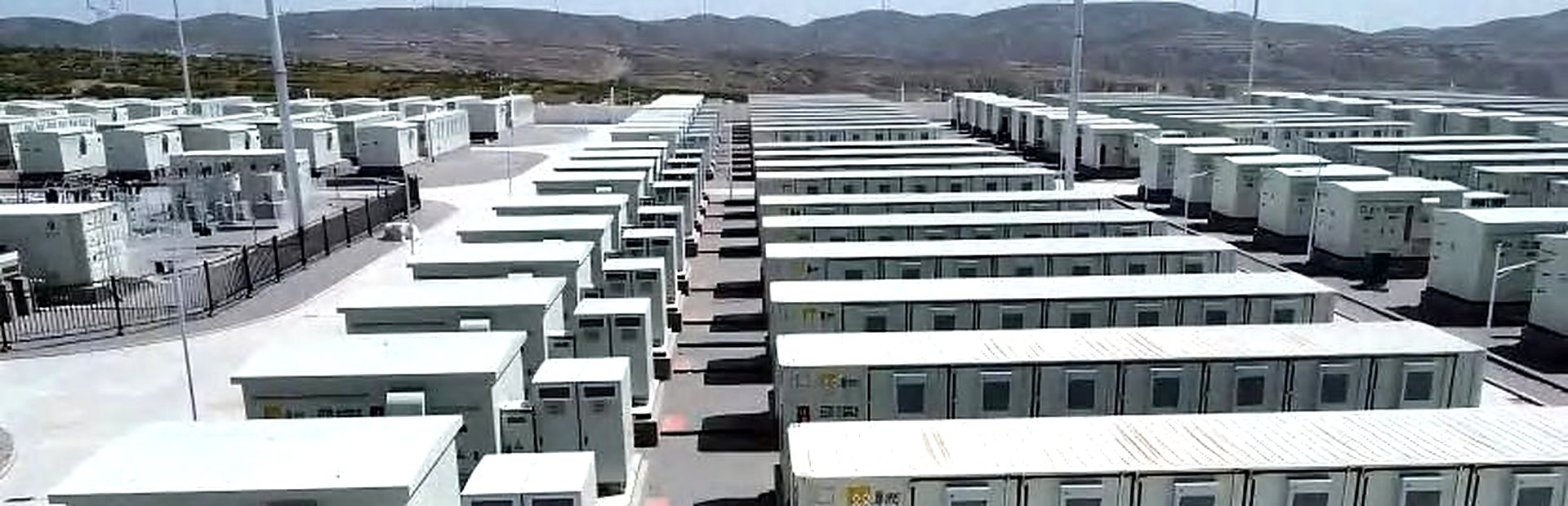
Four application areas where clean agent suppression is not a commodity purchase. Each one has its own detection logic, its own agent and its own documentation — so each one has its own page.
A battery container, a server room, a switchgear cabinet and a nacelle fail in four different ways. Keeping them separate keeps the engineering honest — open the one that matches your site.
Thermal runaway starts inside a cell and produces flammable off-gas before there is any smoke. Protection is layered from station down to PACK.
Dense electrical load and constant airflow. The system has to stop the fire without damaging the equipment, and without discharging on a false alarm.
Cabinets, machine tools, paint booths and grease ducts — enclosed, unattended and rarely worth a piped room system.
Eighty metres up, usually at night. Non-pressurised dry powder hung from the ceiling, fired by its own heat cord — no power and no riser pipe.
Not sure which one applies? Most sites are one primary hazard with a second one attached — a battery container inside a data hall, a nacelle with a converter cabinet in the tower base. Send the layout and we will tell you which page the design belongs on.
The same five steps on every application, so you always know what happens next and what we need from you at each stage.
Room dimensions, hazard, enclosure integrity, existing detection and power availability.
Agent selection, quantity calculation, nozzle layout and P&ID drawings for approval.
Cylinder filling, pressure and leak testing, control panel assembly and factory acceptance.
Pipework, cylinders, detection and control installed and tested by our engineers or partners.
Functional test, discharge simulation, operator training and handover documentation.
We will tell you which medium, which detection and roughly how much agent — before any commercial discussion.

Open WeChat, tap + and pick Scan — the code opens a chat with our export desk. Not on WeChat? Message us on WhatsApp instead.
On a phone you cannot scan your own screen — long-press the code above, save it to your album, then open WeChat → + → Scan → Album.