
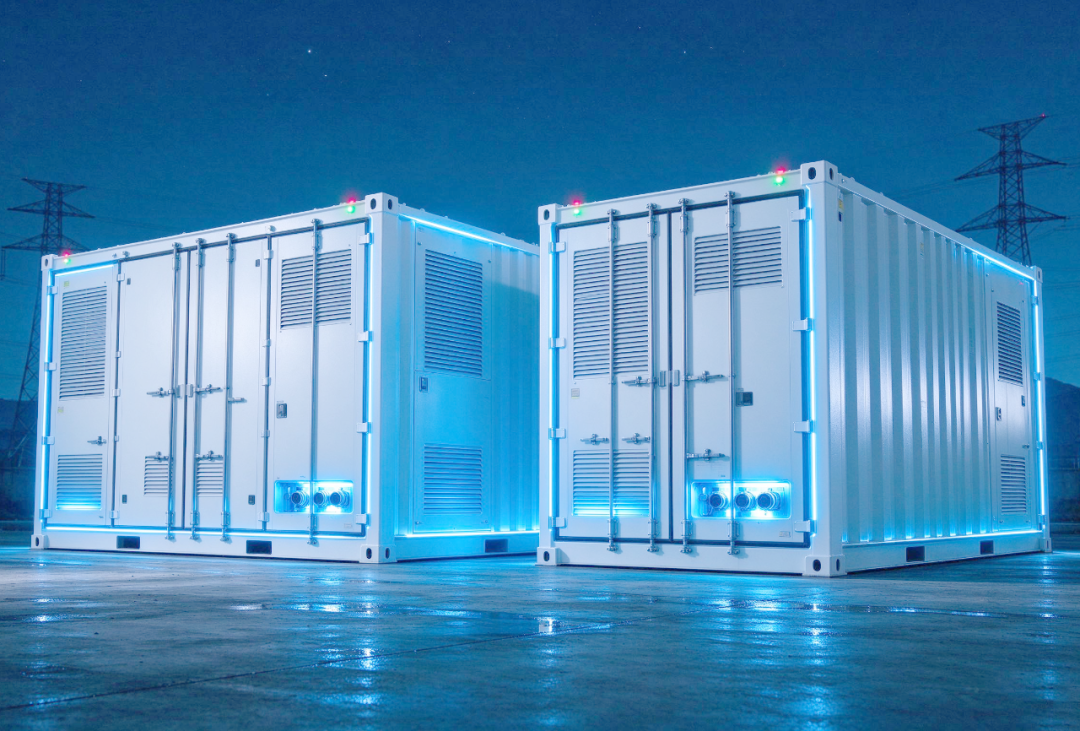
one decision Aerosol · FK-5-1-12 · Fine water mist Variables03Match the cabin
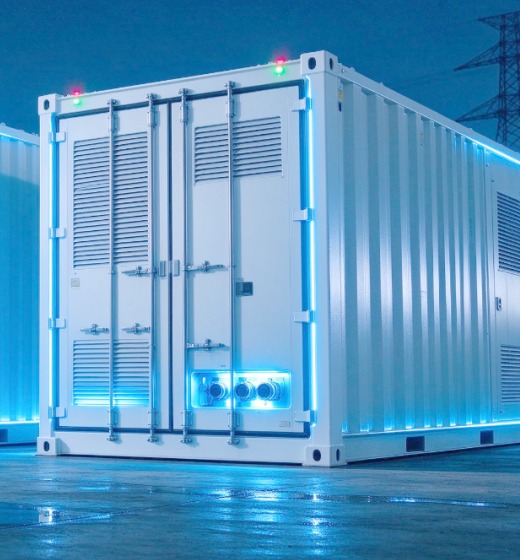
The hard part of a battery-cabin fire is not putting it out. It is keeping it out. Thermal runaway keeps releasing heat inside the cells long after the visible flame is gone, and any medium that only knocks the flame down will watch the fire come back. Aerosol, FK-5-1-12 and fine water mist are three answers to that problem — not three price points on one answer.
01 The enemy is re-ignition, not flame
A battery-cabin fire behaves nothing like an ordinary fire. The open flame is a symptom. The cells are still releasing heat internally, and until that temperature actually falls, the event can restart at any moment.
That single fact reframes the selection question. Project teams often get stuck comparing media on cost and convenience — aerosol is cheap and simple, FK-5-1-12 is clean but expensive, water mist cools well but raises the fear of water meeting high voltage. None of those comparisons decide anything on their own. The medium has to be matched to the cabin conditions, to the value of the equipment inside, and to the project’s tolerance for re-ignition.
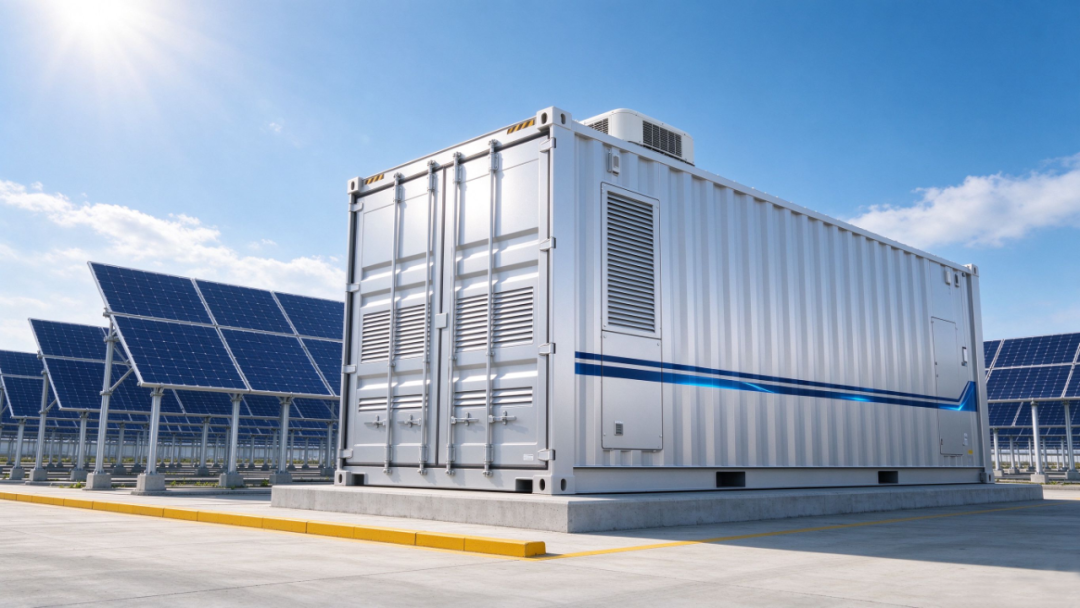
02 Three media, three philosophies
Each medium solves a different half of the problem. Reading them as competing prices on one product is how projects end up with the wrong system.
Aerosol — chemical suppression
Response is extremely fast, there is no pipework, the footprint is small, the cost is low and installation is flexible. The right tool for small sealed cabins and module-level protection. The trade-off: the discharge leaves a particulate residue that can corrode battery modules and precision electronics, and it does almost nothing for cooling — which makes it weak exactly where storage is weakest, on re-ignition.
FK-5-1-12 (perfluorohexanone) — clean gas suppression
Stored as a liquid at room temperature and vapourised on discharge. Electrically insulating, residue-free, environmentally benign, fast on flame knockdown — the mainstream choice at PACK and cabin level. The limits: it buys suppression, not cooling. Against a large-scale thermal runaway it holds the flame but cannot hold the heat, and the cost and sealing requirements run higher than the alternatives.
Fine water mist — heat absorption
Its strength is cooling. It keeps drawing heat out of the cells and can hold down propagation and re-ignition continuously. The medium itself is cheap and clean, and it suits large cabins and open or semi-open layouts. The constraints: electrical compatibility, penetration in sealed cabins, and a pump-and-tank package — plus freeze protection and routine maintenance on top.
| Aerosol | FK-5-1-12 | Fine water mist | |
|---|---|---|---|
| Mechanism | Chemical suppression | Gas-phase suppression | Heat absorption, cooling |
| Strengths | Fast, no piping, low cost, small footprint | Clean, insulating, residue-free, fast on flame | Strong cooling, continuous hold-down, cheap medium |
| Weaknesses | Residue, corrosion risk, no cooling, poor on re-ignition | Limited cooling, costlier, needs a sealed volume | Needs pump/tank, freeze care, electrical compatibility |
| Best fit | Small sealed cabins, module level | PACK and cabin level, valuable electrical gear | Large cabins, open or semi-open layouts |
03 Three variables decide the pick
One, the cabin. A small sealed volume favours aerosol or FK-5-1-12; a large, open or semi-open cabin favours fine water mist. Volume, ventilation and leakage area set the frame before any medium enters the conversation.
Two, cleanliness. If the cabin holds valuable electrical equipment and the spec allows no residue at all, FK-5-1-12 is the clean answer. Electronics, racks and switchgear all come back into service after a discharge.
Three, re-ignition risk. This is the one energy storage cannot compromise on. The combination of FK-5-1-12 for fast flame knockdown plus fine water mist for continuous cooling is becoming the industry’s mainstream answer — the gas buys the first minute, the mist buys the hours after it.
China’s GB/T 42288-2022, the safety code for electrochemical energy storage power stations, sets the floor underneath that trend. The minimum protected unit should be the battery module. The system must support both remote automatic and local manual release. And the medium must be electrically insulating, must cool, and must both extinguish the fire and keep suppressing re-ignition. Against that bar, aerosol on its own is finding it harder and harder to qualify.
There is no universal medium. There is only the matched solution. Get the cabin conditions, the cleanliness requirement and the re-ignition risk straight, and the selection makes itself.
- A battery fire is a re-ignition problem: the medium has to cool the cells, not just extinguish the flame.
- Aerosol is fast and cheap but leaves residue and does not cool. FK-5-1-12 is clean and quick on flame but weak on heat. Fine water mist cools hard and needs heavier plant.
- GB/T 42288-2022 pushes toward insulating, cooling media with continuous re-ignition suppression — which is why FK-5-1-12 plus fine water mist is the mainstream pairing.