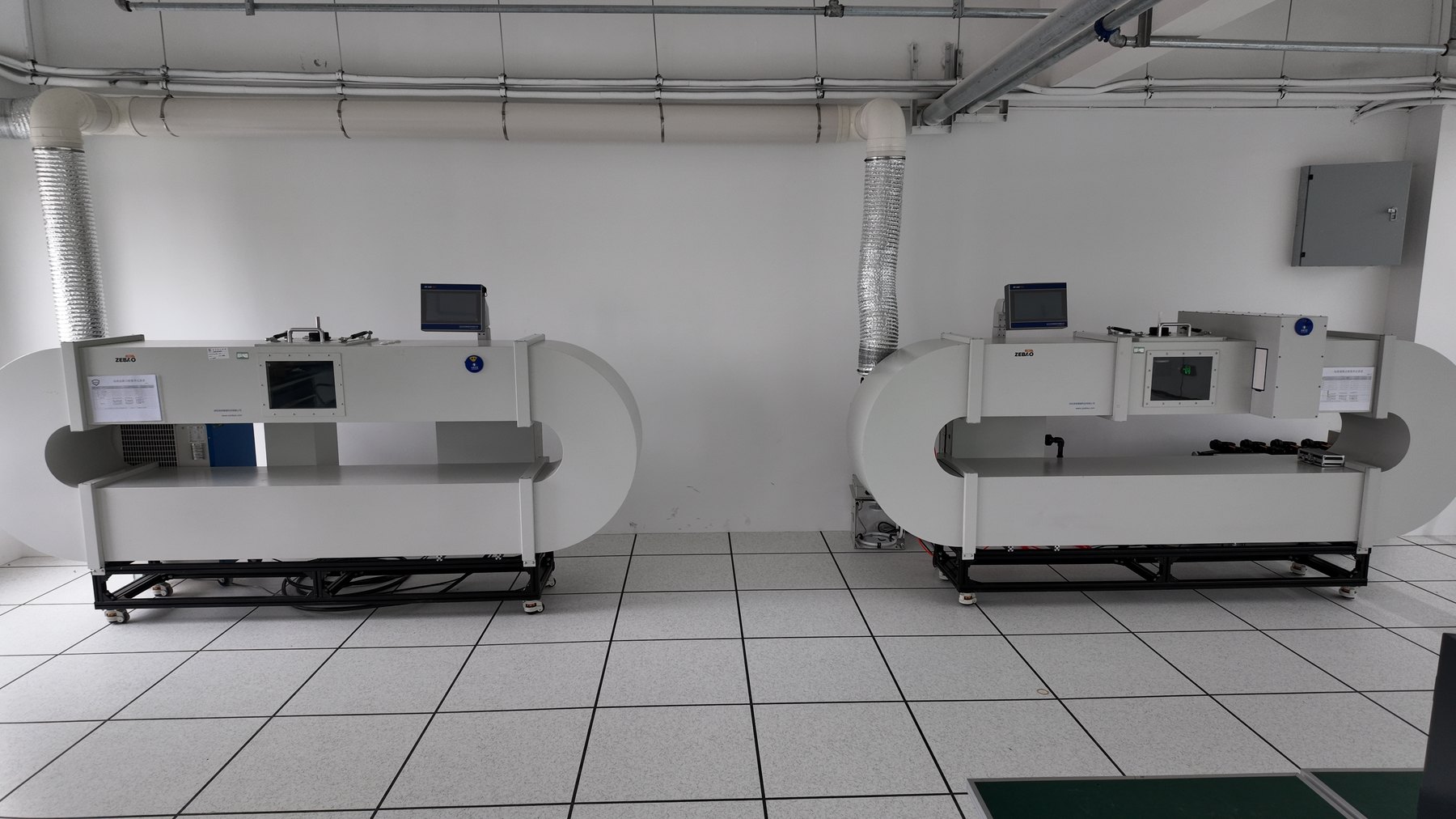
Not every unit we make carries the mark. This is the subset that does, with the declaration of conformity and test reports that go with it.
A CE mark is a claim about a specific product against specific directives, not a badge for a catalogue. This page collects only the units where that claim exists and the paperwork is on file: a declaration of conformity, a type test report, and where relevant an ATEX assessment for equipment installed in a hazardous area.
The range covers the four things an EU project usually needs together — detection tube units, gas detection, aerosol generation, and the cabinet hardware that makes a sealed enclosure safe to suppress: a pressure-relief vent and an explosion-proof wall fan.
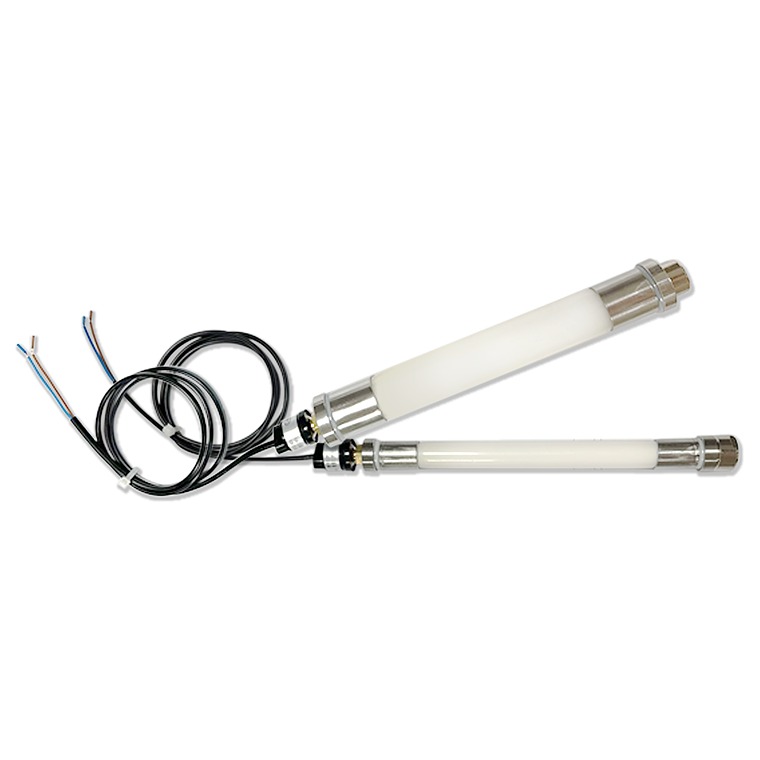
A sealed polymer tube filled with FK-5-1-1, run along the inside of the cabinet it protects.
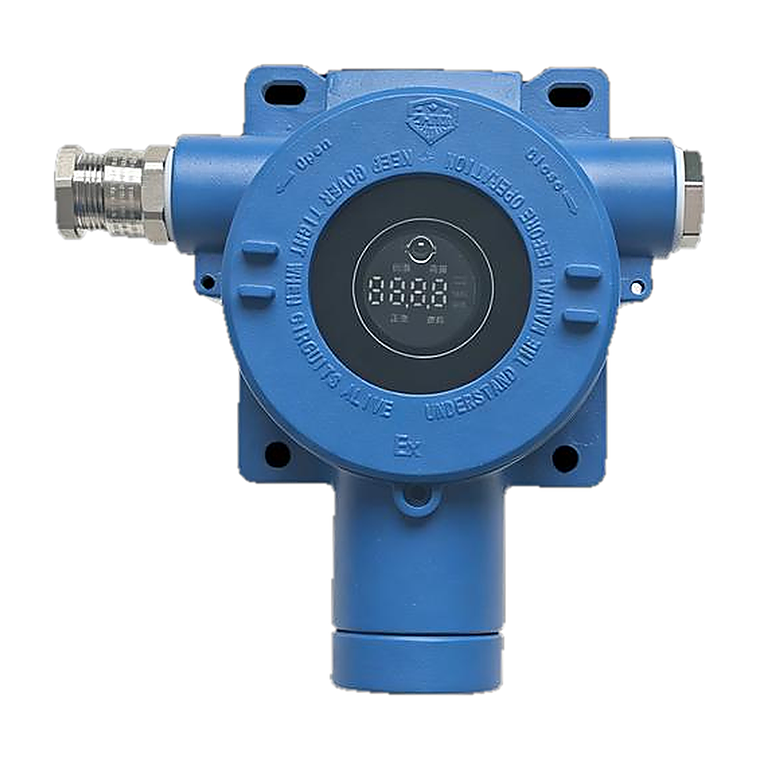
A catalytic-combustion point detector for methane, propane, isobutane and hydrogen, in a cast-aluminium Ex db housing with a four-digit display you can read through the window.
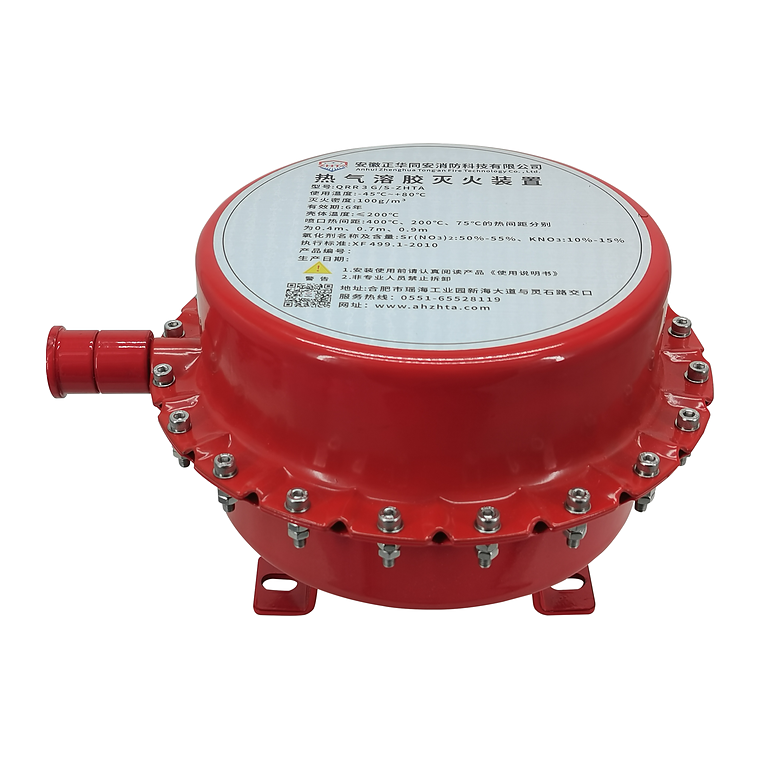
A 3,000 g charge sealed in a round red housing on a wall bracket.
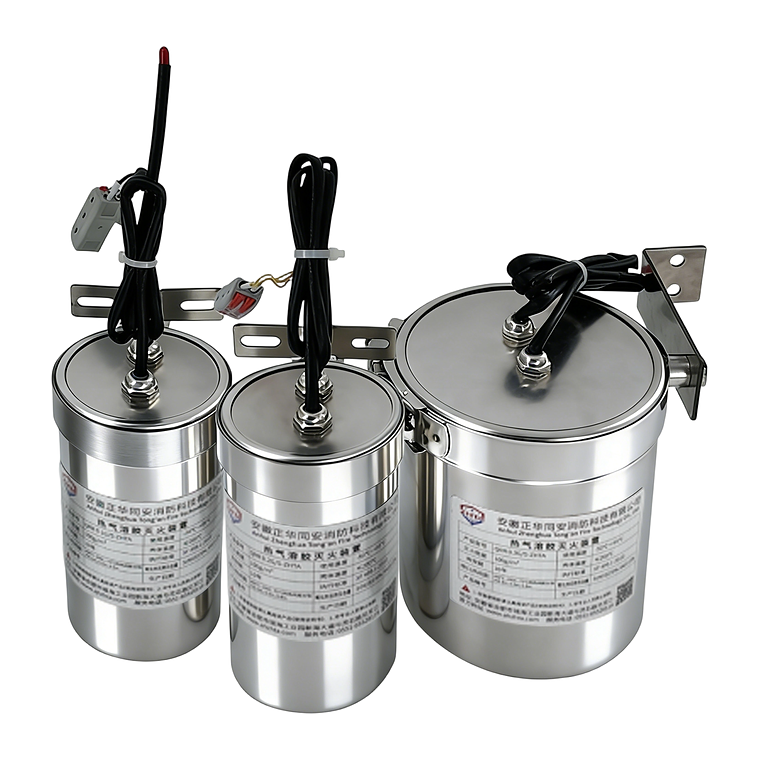
The same aerosol chemistry in a stainless canister, for the smaller volumes where a round 3 kg body is more than the room needs.
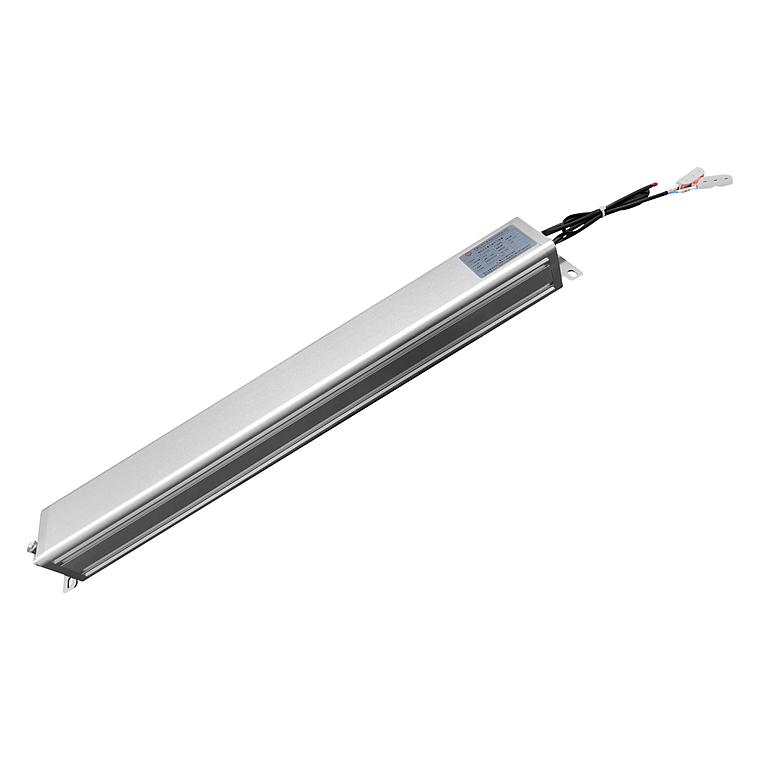
A prefabricated clean-agent unit: the FK-5-1-1 charge, the release and the outlet arrive in one extruded aluminium body that is charged, sealed and tested in the factory.
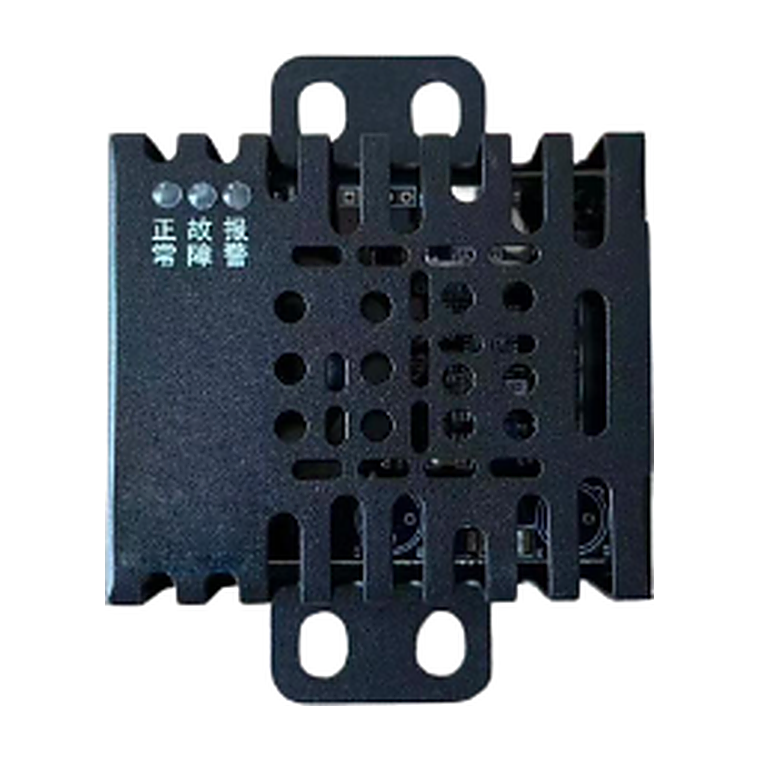
A composite detector built for the inside of an energy-storage enclosure: more than one fire criterion is evaluated in a single housing, so the unit can tell a real cell event from the dust, humidity swing and electromagnetic noise that fill a battery container, and it reports the result on a three-lamp face — normal, malfunction, alarm.
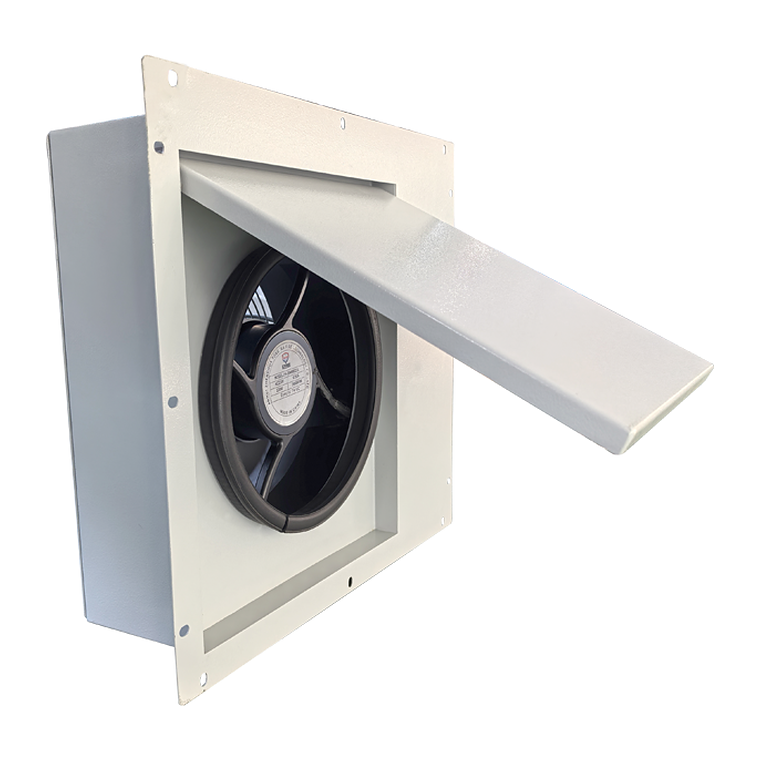
A wall-mounted axial fan for a container or a battery room that has to be vented without making the enclosure itself a source of ignition.
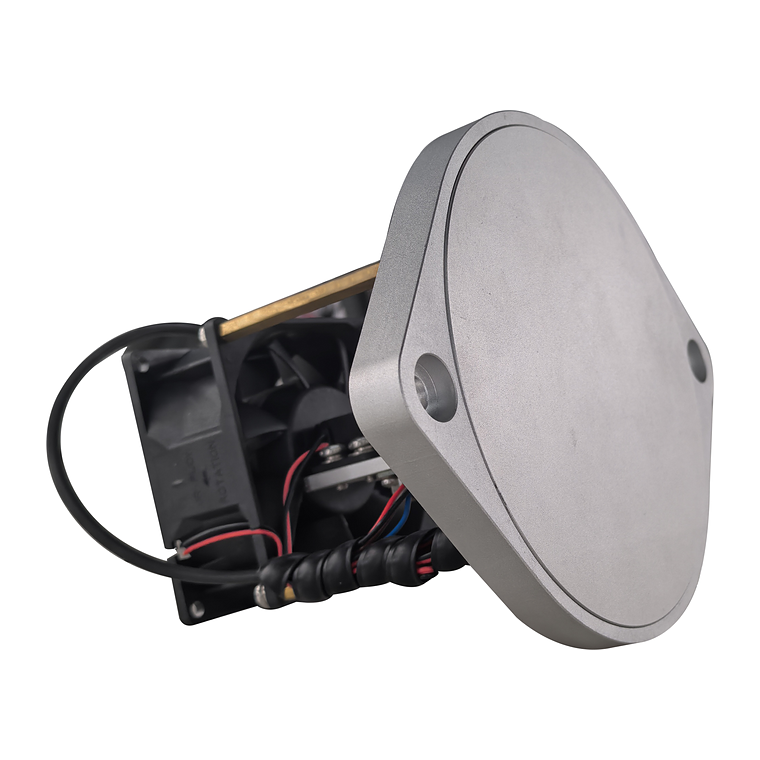
A motorised vent for a battery cabinet: when a detector inside the enclosure passes its threshold, the panel closes a dry contact, the push rod opens the flap 30 mm at 4 mm/s and the 80 mm fan starts, pulling the flammable and toxic gas out of the cabinet.
The agent is the easy half. The decision that actually changes the quote is the mounting format and what has to be built around it.
The MZ-F/W detection tube unit, YF prefabricated FK-5-1-1 unit, and the ZHTA-3000-ET / ZHTA-500-1000-ET aerosol generators — the CE-marked suppression options.
The ATEX point-type combustible gas detector at IP65 and the JTY composite detector with smoke, heat, CO, VOC and hydrogen channels and three-state indication.
The ZH-400350 explosion-proof wall fan at IP66 and the ZHTA-174140 electric pressure-relief vent — the pair that keeps a sealed cabinet from becoming a pressure vessel during discharge.
Each product page states the directives it was assessed against — EMC for the electrically activated units, material compliance for the agent-wetted parts, ATEX for the equipment installed in hazardous areas. The declaration of conformity lists them product by product, and we send it with the quotation.
It is necessary, not sufficient. The installed system still has to be designed to the applicable standard — EN 15004 for gaseous systems — and the project documentation has to show that. What the CE mark on the component establishes is that the unit itself meets the directive; the design responsibility stays with the system designer.
Yes, and for non-EU markets that is usually the cheaper route, because the certification cost is not carried in the unit price. Tell us the destination market at enquiry stage; it changes which variant we quote.
Yes. Faceplate, packaging and documentation can carry the customer brand, and the declaration of conformity is reissued against the supplied configuration so the paperwork matches what ships.
Send the room volume, the hazard and the standard you are designing to — NFPA, EN or GB — and the reply comes back with a sized system, a drawing set and a price, not a catalogue link.

Open WeChat, tap + and pick Scan — the code opens a chat with our export desk. Not on WeChat? Message us on WhatsApp instead.
On a phone you cannot scan your own screen — long-press the code above, save it to your album, then open WeChat → + → Scan → Album.